
Sustainability Trends in the Secondary Mobile Device Market
Brought to you by IBEC Intelligence
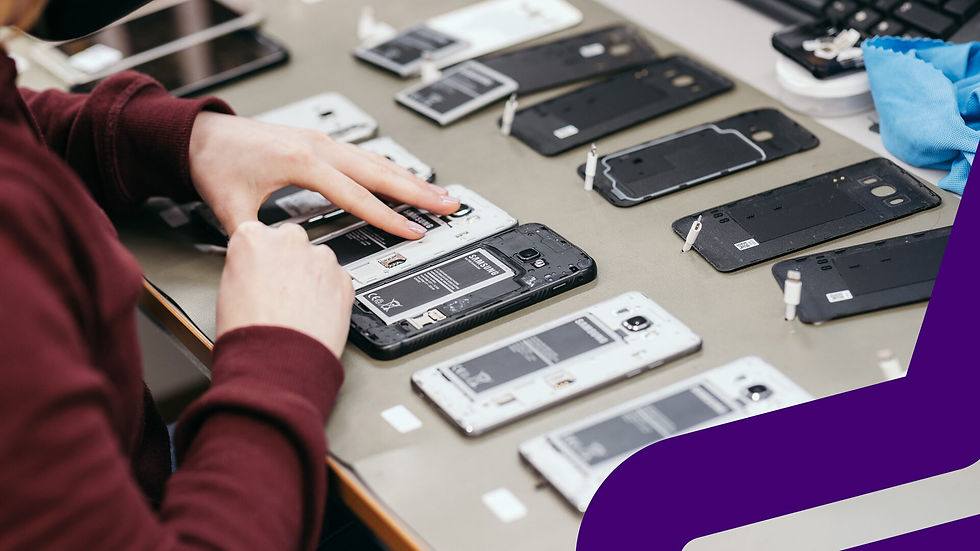
Given the demand for mobile technology and connectedness, it’s no surprise that the secondary mobile device market is rapidly evolving. This growth is also driven by the increasing demand for sustainability and responsible consumption. As consumers become more environmentally conscious, companies are adapting their strategies to meet this demand while capitalizing on the economic opportunities presented by the resale and refurbishment of mobile devices.
The Growing Demand for Refurbished Devices – One of the most significant trends in the secondary mobile device market is the increasing demand for refurbished devices. According to a report by Counterpoint Research, the global refurbished smartphone market is exceeded 350 million units in 2023, growing at a compound annual growth rate (CAGR) of 13%. This surge is driven by consumers seeking cost-effective alternatives to new devices without compromising on quality.
Gazelle, a leading player in the refurbished device market, has successfully capitalized on this trend. The company buys used devices from consumers, refurbishes them, and sells them at competitive prices. By offering a buyback program, Gazelle simultaneously encourages responsible device disposal and provides consumers with a reliable source of refurbished phones. Their commitment to sustainability is evident in their processes, which emphasize reducing e-waste and extending the lifecycle of mobile devices.
Emphasis on Sustainability – Sustainability has become a focal point for consumers and companies alike. The environmental impact of electronic waste (e-waste) is staggering, with the Global E-waste Monitor reporting that 53.6 million metric tons of e-waste were generated in 2019, a figure projected to reach 74 million metric tons by 2030. To combat this growing issue, many companies are adopting sustainable practices in their operations.
Apple has made significant strides in promoting sustainability within its secondary device market. The company’s trade-in program allows customers to exchange their old devices for credit towards a new purchase, ensuring that these devices are either refurbished or recycled responsibly. Apple’s commitment to sustainability is further exemplified by its ambitious goal to become carbon neutral across its entire supply chain by 2030.
The Rise of Rental and Subscription Models – Another emerging trend in the secondary mobile device market is the rise of rental and subscription models. Consumers are increasingly interested in flexible ownership options that allow them to use the latest technology without the long-term commitment of traditional purchasing.
Grover, a Berlin-based startup, offers a subscription service for tech devices, including smartphones. Customers can rent devices for a monthly fee, with options to return or purchase the device at the end of the rental period. This model reduces e-waste and caters to consumers who prefer the latest technology without the heavy financial burden of ownership.
Consumer Awareness and Education – As awareness of sustainability issues grows, consumers are becoming more informed about their purchasing decisions. A survey conducted by Deloitte found that 44% of consumers are willing to pay more for products from sustainable brands. This shift in consumer behavior is prompting companies to prioritize transparency and sustainability in their business practices.
Back Market, an online marketplace specializing in refurbished electronics, emphasizes transparency in its operations. The company provides detailed information about the refurbishment process and the environmental benefits of choosing refurbished products. By educating consumers about the positive impact of their choices, Back Market has positioned itself as a leader in the sustainable tech market.
The secondary mobile device market is undergoing a significant transformation, driven by the demand for sustainability and responsible consumption. With the increasing popularity of refurbished devices, rental models, and consumer awareness, companies are adapting their strategies to align with these trends. As highlighted by examples from Gazelle, Apple, Grover, and Back Market, the future of the secondary mobile device market lies in embracing sustainability while providing consumers with high-quality, affordable options.
As we move forward, it’s crucial for both consumers and companies to prioritize sustainability in their choices, ensuring that the mobile industry can thrive without compromising the health of our planet. By supporting the secondary market and responsible practices, we can all contribute to a more sustainable future.
Additionally, when your organization attains certifications, such as R2 and RIOS, you reaffirm your commitment to sustainability. Speak with our IBEC experts today to get you on the path to sustainability with relevant certifications.


Comments