
+1 800 939 4232
Mon-Fri 8am-6pm PST
ISO 14001
Why Training Is an Important Part of ISO 14001 Certification
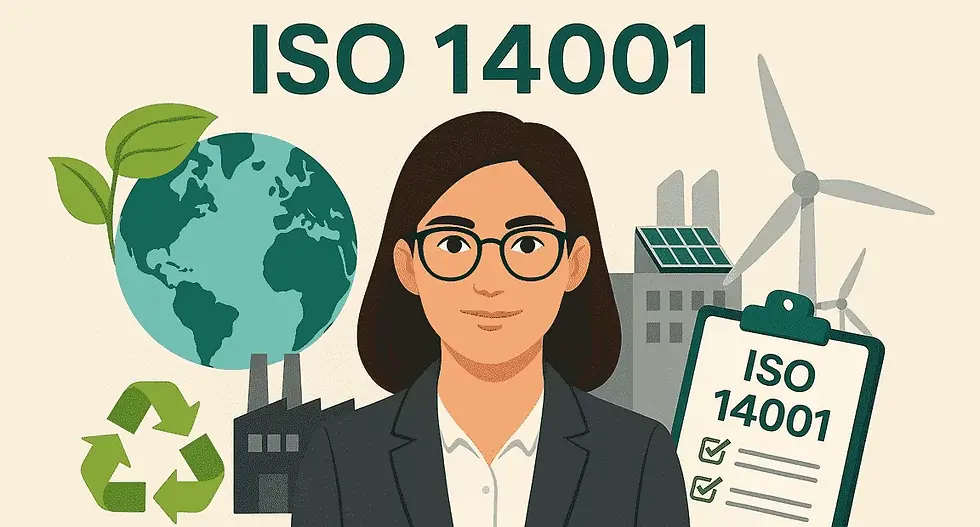
When organizations decide to pursue ISO 14001 certification, the first thoughts that routinely come to mind have to do with documentation, procedures, and audits. It’s easy to imagine files, binders, flowcharts, compliance checklists, and meetings about environmental objectives. However, if you look closely at companies that truly excel in environmental performance, a different picture emerges, one that is far more centered on people.
In fact, ISO 14001 comes alive only when employees understand what it means and why it matters. Hence, training is the bridge between intention and reality. It’s the moment when the Environmental Management System (EMS) stops being a theoretical framework and becomes something felt, understood, internalized, and acted upon in the day-to-day rhythm of work.
Training grounds people in the “why,” not just the “what.” One of the first hurdles organizations face is helping employees understand the purpose of ISO 14001. Not as a certificate to be displayed, but as a commitment to reducing harm, conserving resources, and building a future that is more sustainable than the past.
When employees grasp why environmental management is tied to business success, reputation, community trust, and even personal safety, something shifts. When employees are properly trained, they are no longer just following procedures because they must. They become actively involved, they participate because they want to.
And that shift, that genuine buy-in doesn’t happen from a memo. It happens through thoughtful, relatable training.
Training done right helps employees see their work differently. One of the most powerful outcomes of ISO 14001 training is the moment employees start looking at their tasks through an environmental lens.
For instance, a maintenance technician will notice a small leak that, if left alone, could waste thousands of gallons of water.
Or a machine operator will better understand why a particular SOP reduces emissions.
A warehouse worker will recognize that a better stacking practice reduces damaged goods and, ultimately, lowers waste.
These aren’t abstract examples, they’re the kinds of observations that emerge naturally when employees are taught how environmental impacts show up in real operations. Training empowers people to see what they couldn’t see before.
Most importantly, training demystifies compliance and makes responsibility shared, not siloed.
Environmental laws and requirements can sound intimidating, even to seasoned employees. Good training brings clarity to what matters, translating regulations into the practical realities people face every day – how to handle materials safely, what records must be kept, what actions prevent violations, and why certain controls exist.
Instead of compliance being a burden shouldered by one department, training creates a shared understanding across teams. Everyone becomes part of the effort, not just the environmental manager.
Proper training transforms procedures from paperwork into habits. ISO 14001 requires organizations to define environmental controls, such as how waste is handled, how chemicals are stored, what happens during a spill, how energy efficiency is managed.
But procedures alone don’t change behavior. Training does.
Through demonstrations, walkthroughs, storytelling, and hands-on practice, employees begin to internalize the actions that prevent incidents and reduce environmental impact. Over time, following these procedures becomes second nature not because they’re told to do so, but because they recognize their purpose.
Proper training prepares employees for the unexpected and how to handle it calmly and confidently. Every organization faces the possibility of environmental emergencies, whether a leak, a spill, a release, or a malfunction. Employees who have gone through thoughtful ISO 14001 training learn how to respond with clarity instead of panic. They know whom to call. They know what steps to take. They understand how a fast, accurate response protects people, operations, and the environment.
That kind of readiness can’t be improvised. It must be taught.
Proper training brings environmental goals into everyday conversations.
ISO 14001 requires measurable objectives – reducing waste, improving recycling, minimizing energy usage. When employees participate in training, these goals stop feeling like distant targets created in a boardroom. They become shared aspirations, something that teams track together and take pride in achieving. Progress no longer belongs to leadership alone. It becomes something celebrated across the organization.
Proper ISO 14001 training It creates knowledgeable, confident participants for internal and external audits. Audits can be stressful when employees don’t know what to expect. Training removes the mystery. People learn what auditors look for and why. They understand how their work fits into the EMS. They can speak confidently about procedures, risks, and controls.
Some organizations even train employees to become internal auditors themselves, which is an investment that pays off long after certification.
Ultimately, training builds culture, and culture sustains certification. Perhaps the most important truth is that an ISO 14001 certificate can be earned through compliance, but it is maintained through culture. Training is how that culture takes root. It raises and cultivates awareness, encouraging curiosity. It sparks conversations about improvement. It makes environmental responsibility feel like part of the identity of the organization, not an obligation imposed on it. When employees feel ownership of environmental stewardship, the EMS becomes more than a system. It becomes a mindset.
In the end, ISO 14001 is about people. The technology matters. The documentation matters. The audits matter. But none of them can work without knowledgeable, engaged employees who understand the “why,” embrace the “how,” and take pride in the impact they make. That is why training isn’t just an important component of ISO 14001 Certification, it is the foundation on which the entire system stands.
Speak with IBEC experts today to get you started on the path of ISO 14001 Certification.